Operation Report 10 – 2025 (25 October – 15 November, 2025) Written by Jens Bernhard Janssen
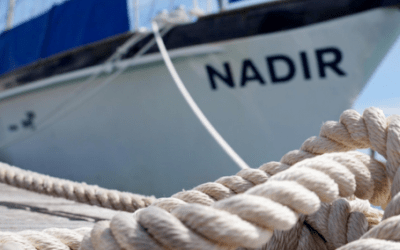
One night, after many days of patrolling the central Mediterranean without sighting a single boat, a robin landed on the mast of our sailing ship NADIR. It was shivering, seemed lost. The small bird stayed with us for several hours until it had clearly gathered enough strength to continue its flight.
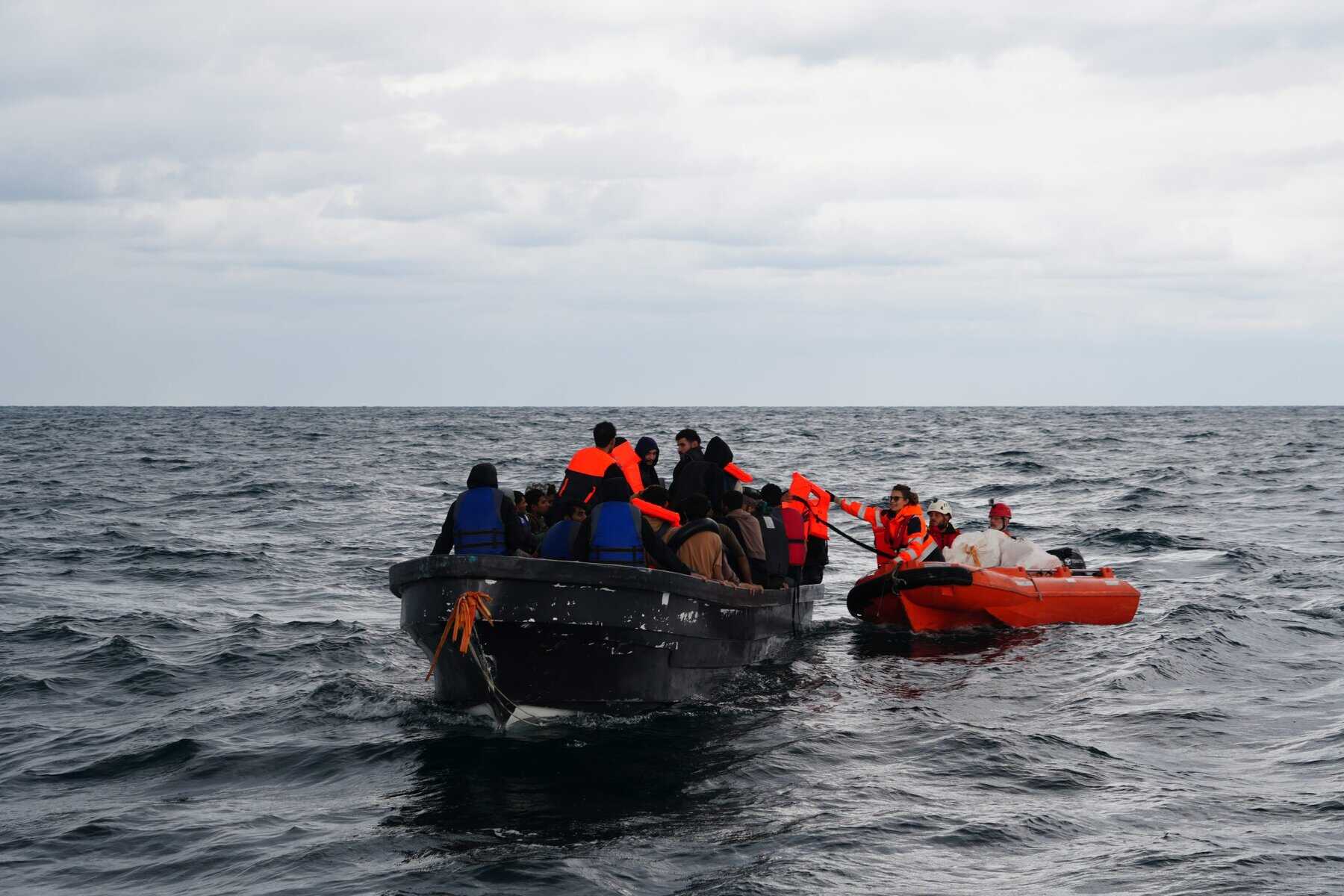
The people in distress from the three boats we were able to take on board were also in a dire physical state: exhausted and dehydrated. For everyone, the danger of being swallowed by the sea was acute.
Behind the facts and figures lie human stories: We were able to provide assistance to 147 people during our operation. There was no one from Afghanistan among them and only a single person from Sudan, despite the fact that the world’s largest migration crisis is currently unfolding there. 14 million people are displaced. The humanitarian catastrophe is beyond description, but between Sudan and the NADIR lie battlefields, hunger marches, border fences, and finally, the Mediterranean. The young man from Sudan made it onto our deck; his gaze is distant, and we will never truly know what he has endured. We do what we can to offer our guests a sense of security. It will never be enough.
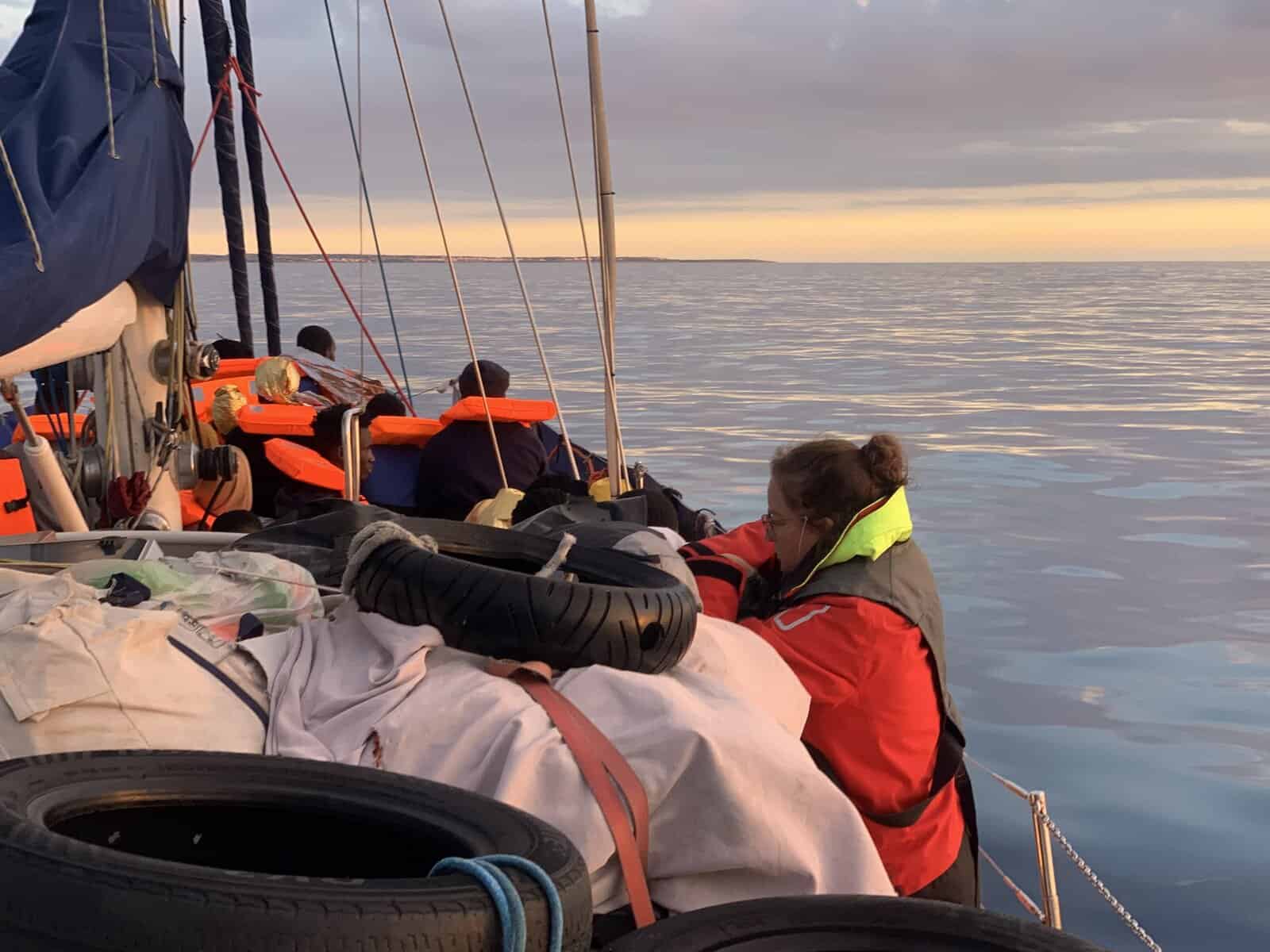
The conditions under which we conduct our search and monitoring operations have changed. We are informed of distress cases not only by Watch the Med – Alarm Phone or the civil observation aircraft Seabird 1 and Seabird 2, but also by Frontex. This should not be misleading. As a so-called border protection agency, Frontex is co-responsible for the externalisation of European borders. They collaborate with the so-called Libyan Coast Guard and share responsibility for pushbacks to Libya, preventing people on the move from even reaching the external border where they could apply for asylum. Once pushed back to Libya, people are exposed to exploitative situations in camps and prisons, facing the threat of forced labour, violence, sexualised violence, and torture.
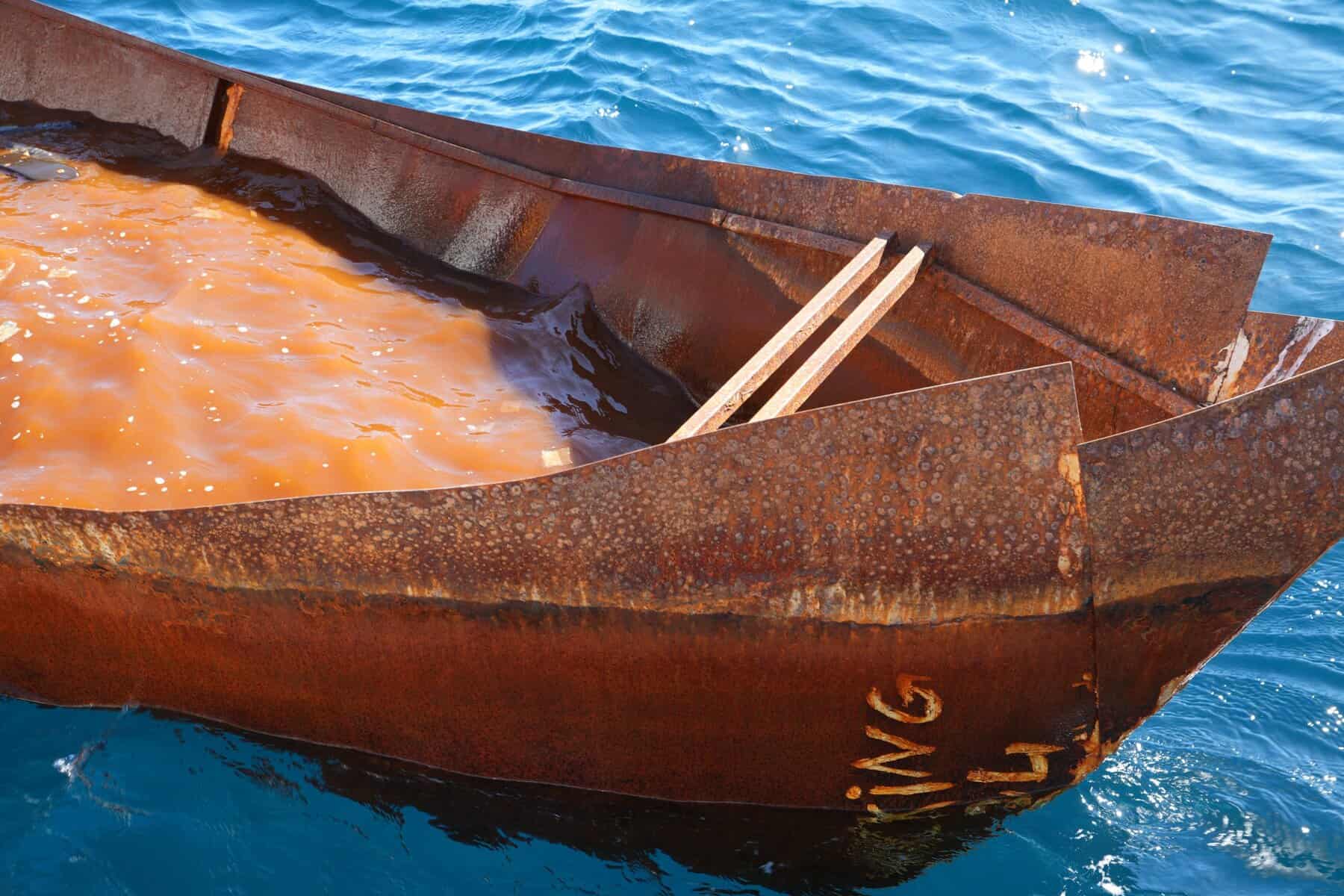
The “Fortress Europe” concept seems to be effective: the Tunisian and Libyan Coast Guards, financed by the EU, increasingly succeed in intercepting boats. The so-called Libyan Coast Guard uses weapons on the high seas to attack displaced persons and civil actors. This also jeopardises our work, as we must increasingly expect to be harassed by Libyan units in international waters.
During one of our evacuations, we succeeded in bringing the people on board before a vessel of the so-called Libyan Coast Guard, which was only 6 nautical miles away, could reach them. We felt an immense sense of relief.
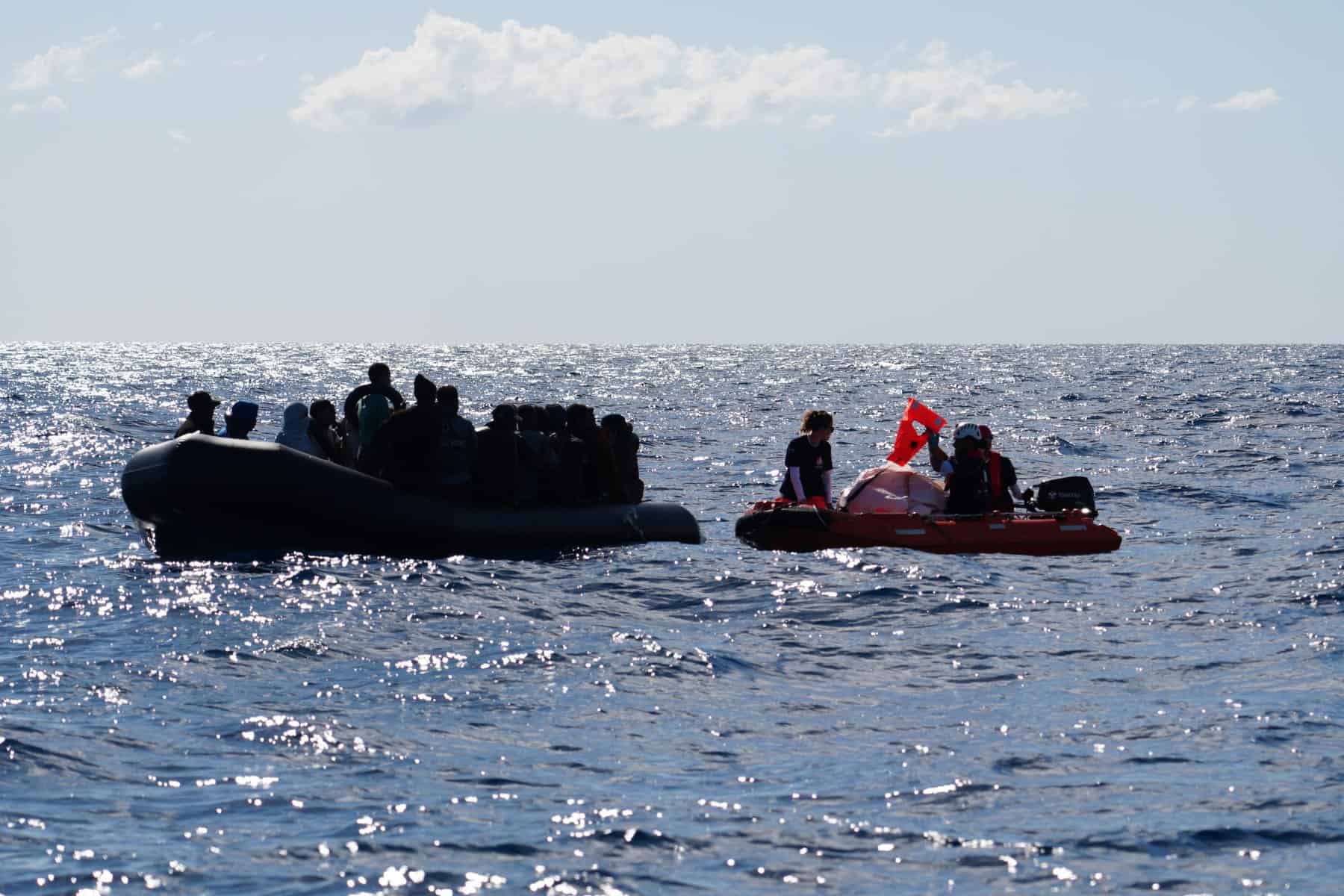
We are grateful for the cooperation with other organisations – without Watch the Med – Alarm Phone, the civil search and observation aircraft, and the network of solidarity initiatives on Lampedusa, these operations would not be feasible in this form.
Once again, we were able not only to evacuate people from their boats but also strove to provide them with a sense of safety and perhaps a bit of warmth and care. We return home grateful and exhausted. But this is not about us.
Credits: Thorsten Klieforth, Roberta Derosas | RESQSHIP