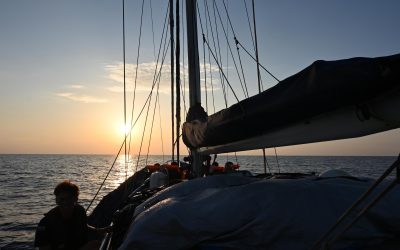
On 21 July, our sixth crew of the year arrived in the central Mediterranean aboard our vessel NADIR. Supplies had been replenished, procedures refined, and both ship and crew were ready for the coming weeks at sea. After several intense days of preparation, training, and safety briefings, we declared ourselves operational once again and ready to assist people in distress. It would soon become clear that our presence in the Mediterranean remains as necessary as ever.
Severe Weather Warning
The first days of the mission were marked by severe weather. After entering the operational area in order to respond to potential distress cases at sea, it quickly became clear that we would not be able to remain in open waters for long. Forecasts predicting meter-high waves, strong wind gusts, and significant drift proved accurate, and we were relieved to find shelter in the lee of Lampedusa just a few days after the mission began. In the days that followed, we received numerous severe weather warnings, but no reports of people in distress at sea. We sincerely hope that this reflected the reality of the situation and that no one attempted the dangerous crossing of the Mediterranean under such conditions. A few days later, although the sea had calmed, it remained unsettled, and we once again set a course southward.
Keeping Watch
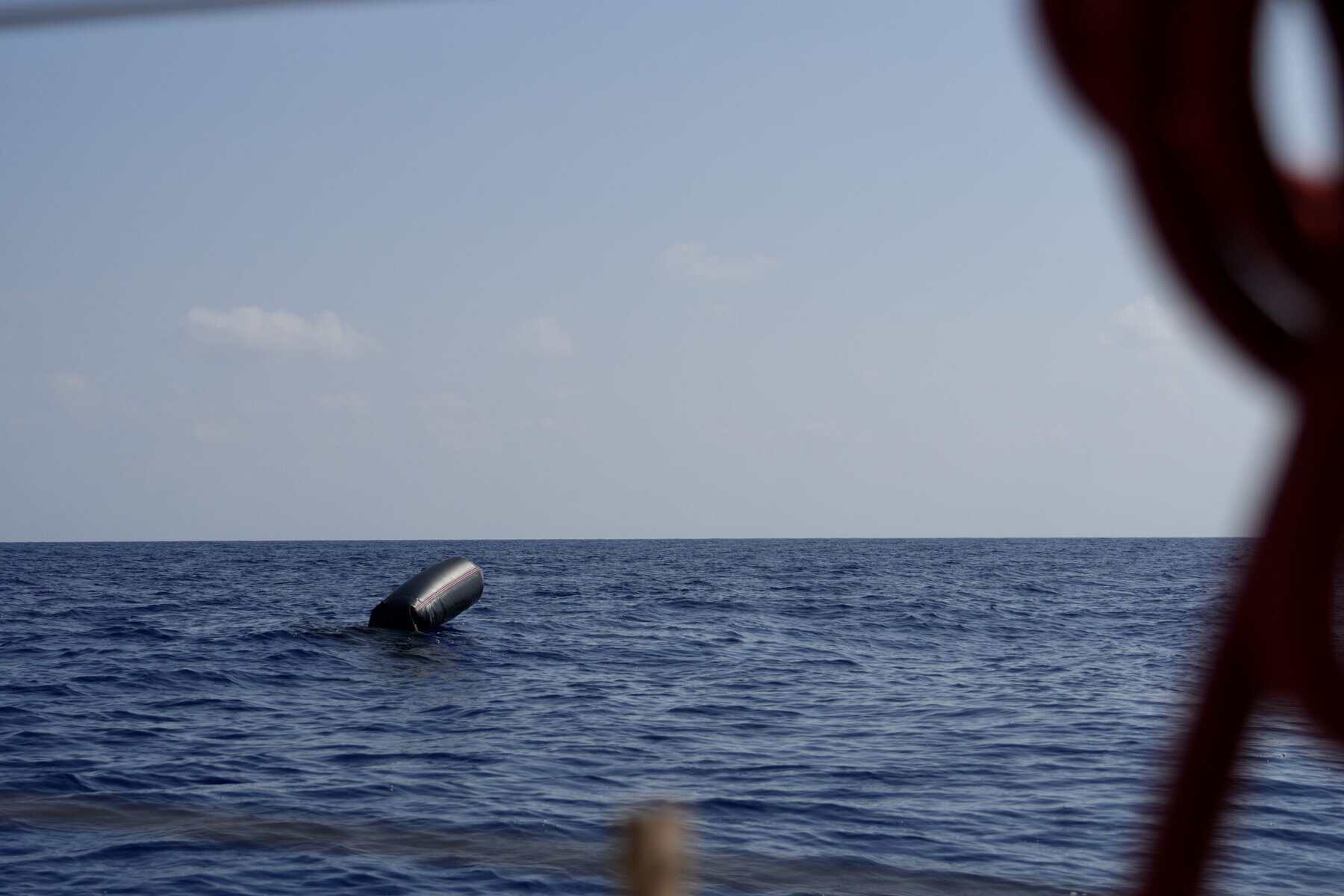
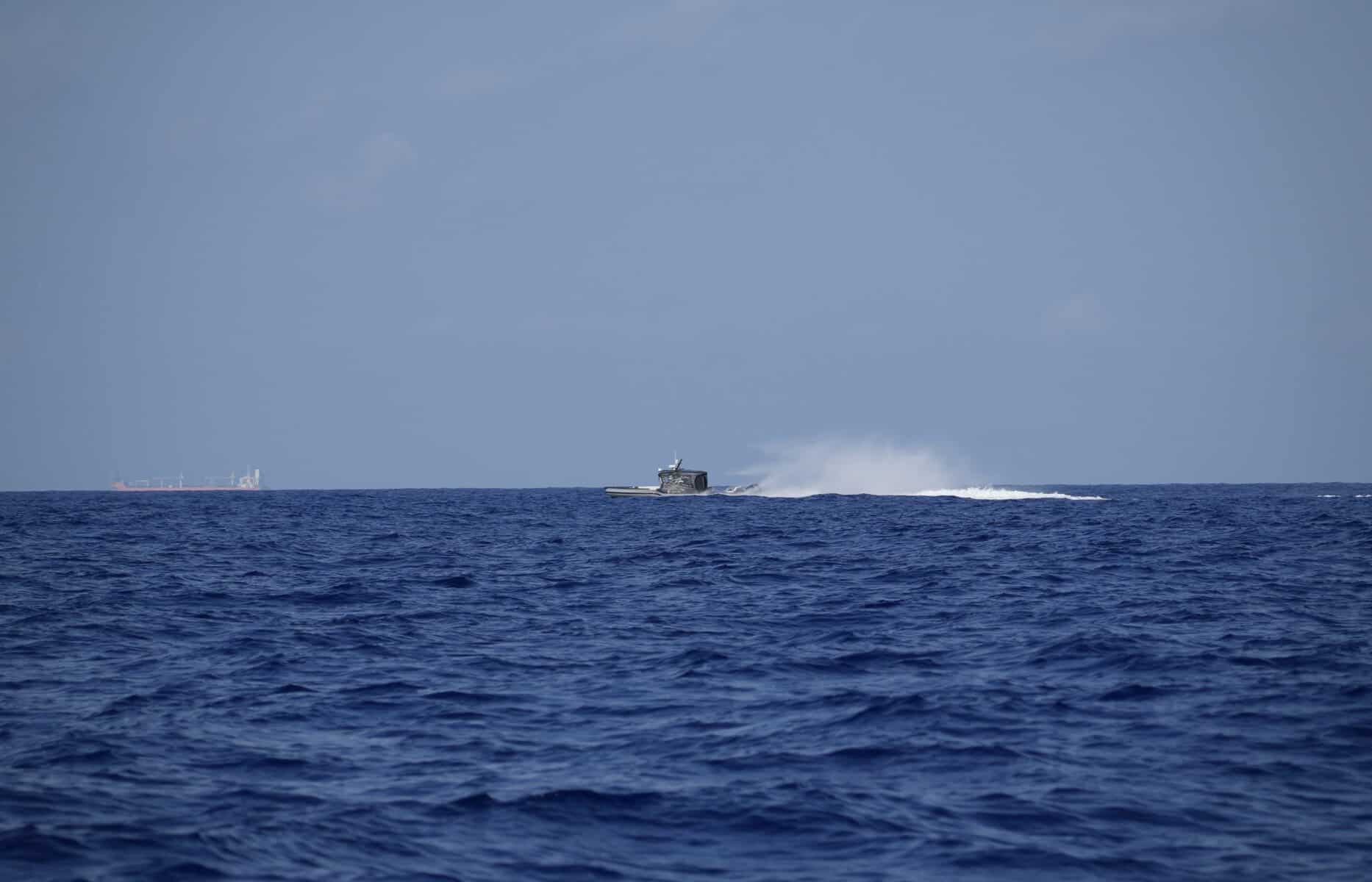
While our crew was on patrol, we encountered several abandoned and partially sunken boats. They stood as reminders that people in this region have repeatedly been, and continue to be, in need of assistance. What had become of the people who had once been aboard these vessels could no longer be determined. In the best-case scenario, they had been rescued by a ship that complied with international maritime law and taken to a place of safety. In the worst-case scenario, they had not survived their journey in search of a better life. Another possibility was that they had been intercepted by the EU-funded so-called Libyan Coast Guard and returned to a country that is not safe for them. This practice of interception by the so-called Libyan Coast Guard is illegal, as it disregards the prohibition of a forced return in international law. Known internationally as the non-refoulement principle, this rule prohibits a state from deporting a person to a country where they face severe human rights violations. Our crew also encountered the so-called Libyan Coast Guard, which was heading toward the locations of various distress alerts alongside us, albeit at much higher speed and with very different intentions. Unfortunately, they often got there before us.
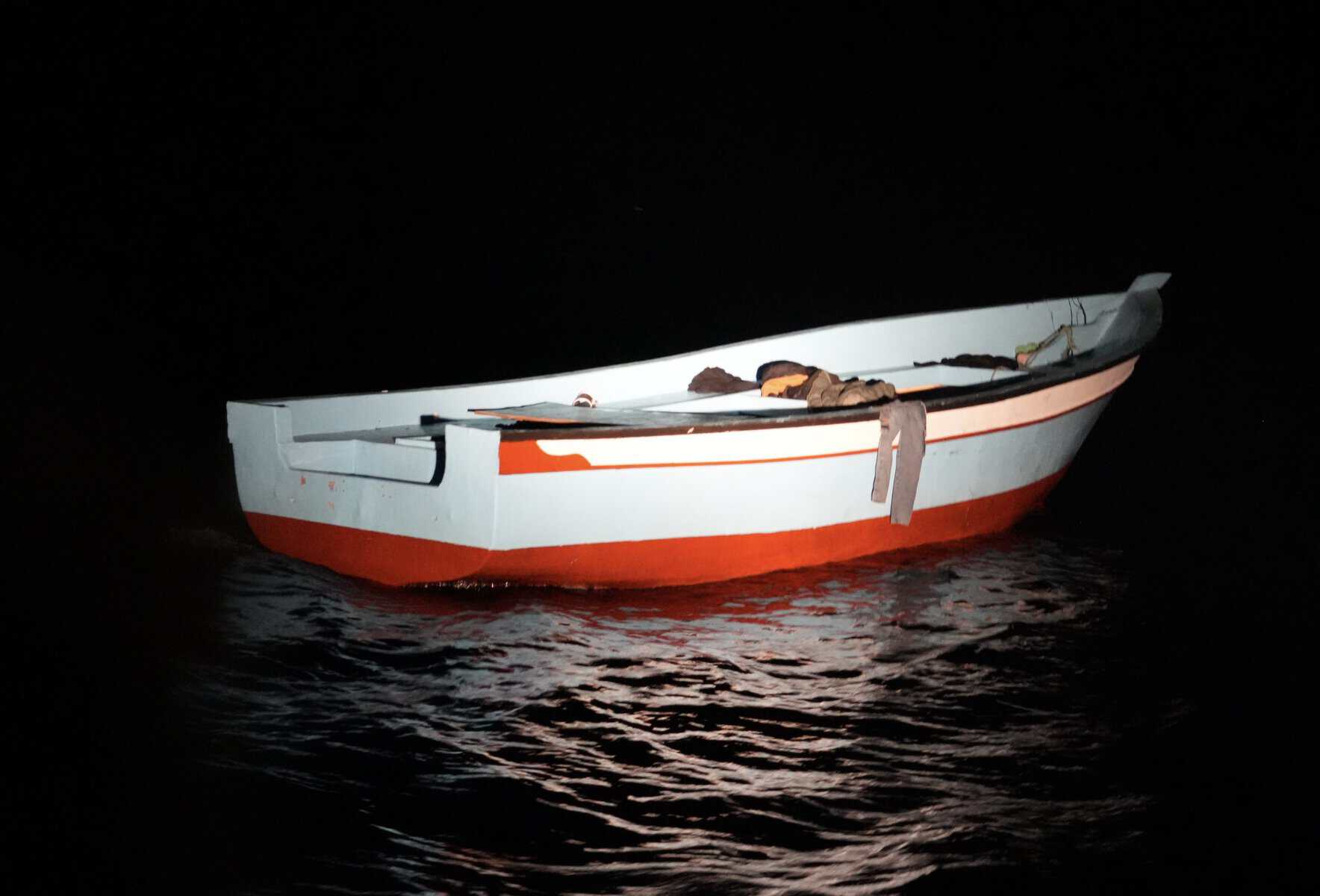
27 People in Distress aboard an Inflatable Boat
On 30 July, our crew received information via the organization Watch the Med – Alarm Phone (short: Alarm Phone) about people in distress aboard an overcrowded inflatable boat. After several hours of searching, our crew was able to locate the vessel. On board were 27 people who had departed from Zuwara, Libya, three days earlier. Among the 15 women and 12 men were several unaccompanied minors. One of the women was four months pregnant.
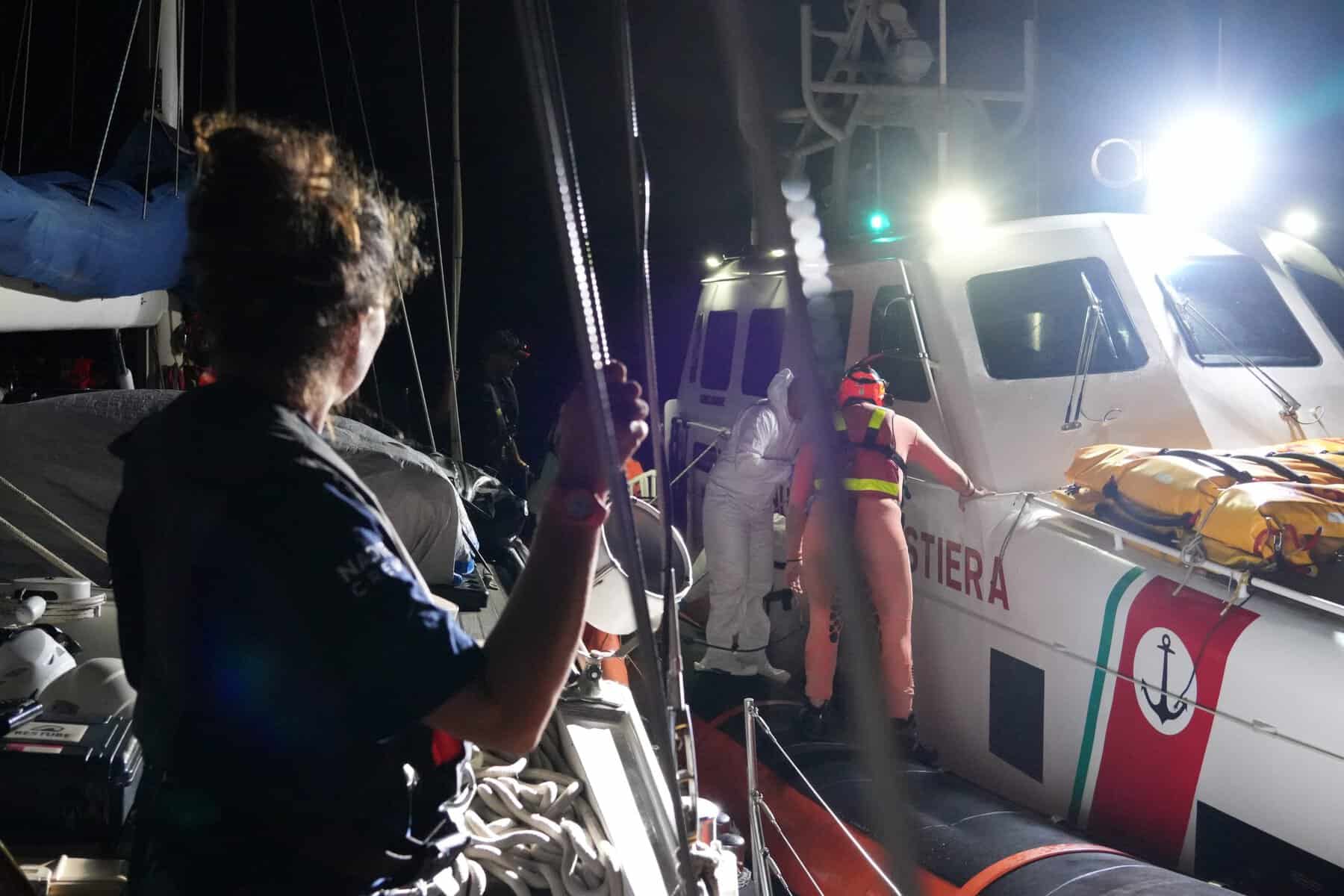
The overcrowded inflatable boat could not withstand the conditions at sea. Without life jackets and exposed to heavy waves, the people were in an increasingly dangerous situation. Our crew successfully transferred all 27 survivors with the tender from the inflatable boat to the NADIR and finally safely evacuated everyone. On board the NADIR, the survivors received water, food, and dry clothing. Several were suffering from chemical burns caused by a mixture of seawater and fuel- injuries that are common on boats of this type.
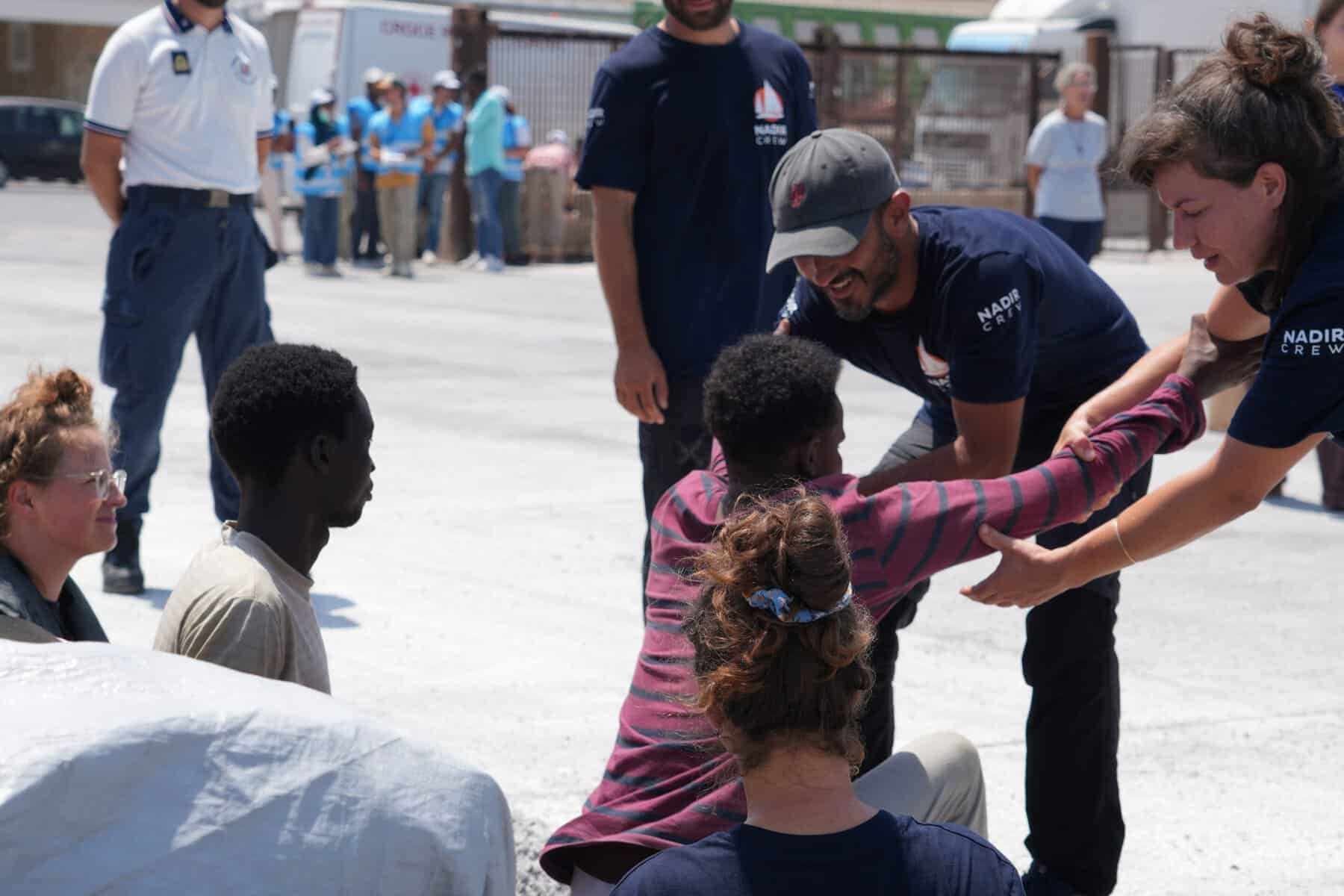
During the nearly 15-hour journey to Lampedusa, the pregnant woman was transferred to the Italian Coast Guard due to medical complications. The remaining survivors stayed aboard the NADIR until its arrival in Lampedusa, where they were able to disembark safely the following day.
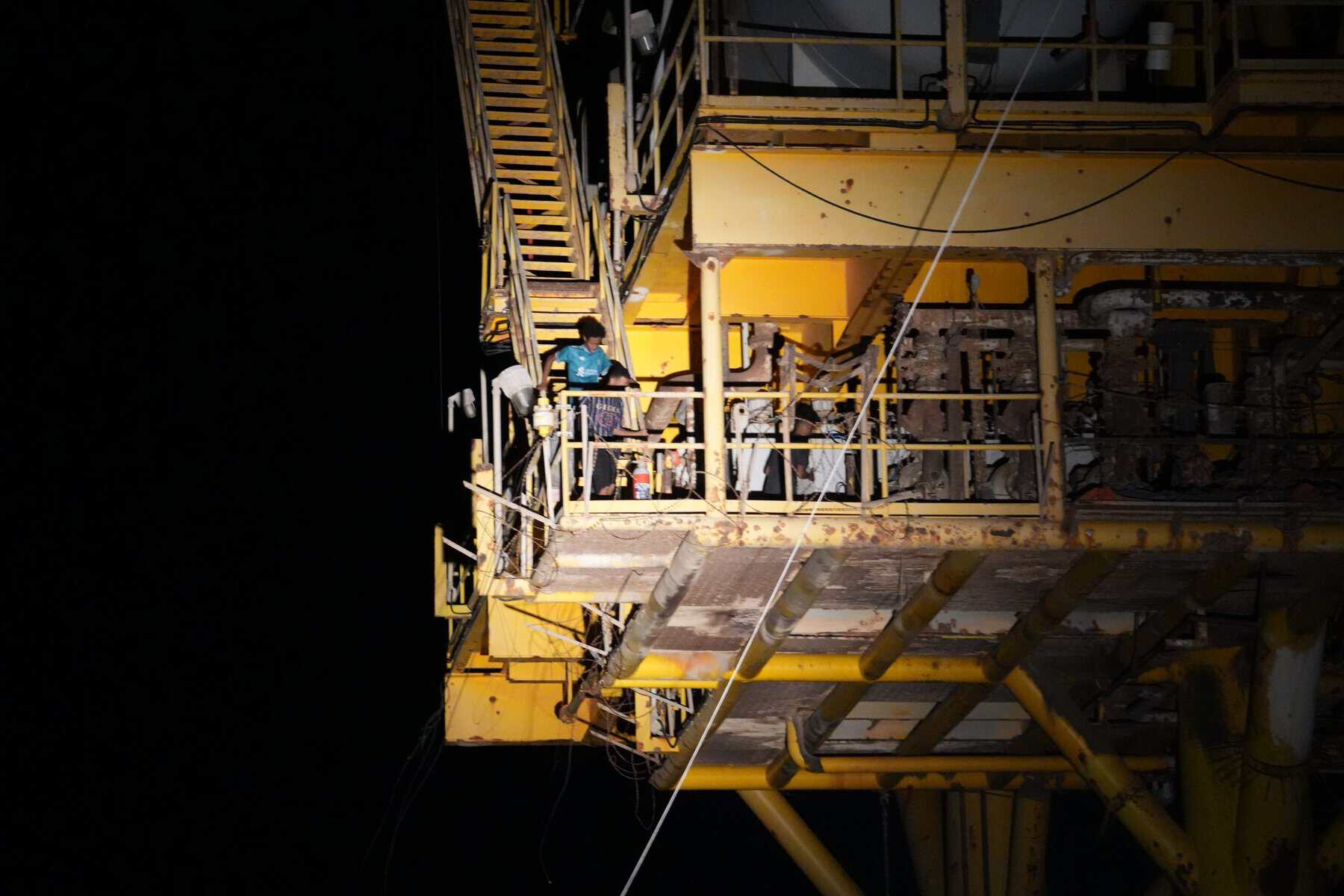
Evacuation from the Didon Platform
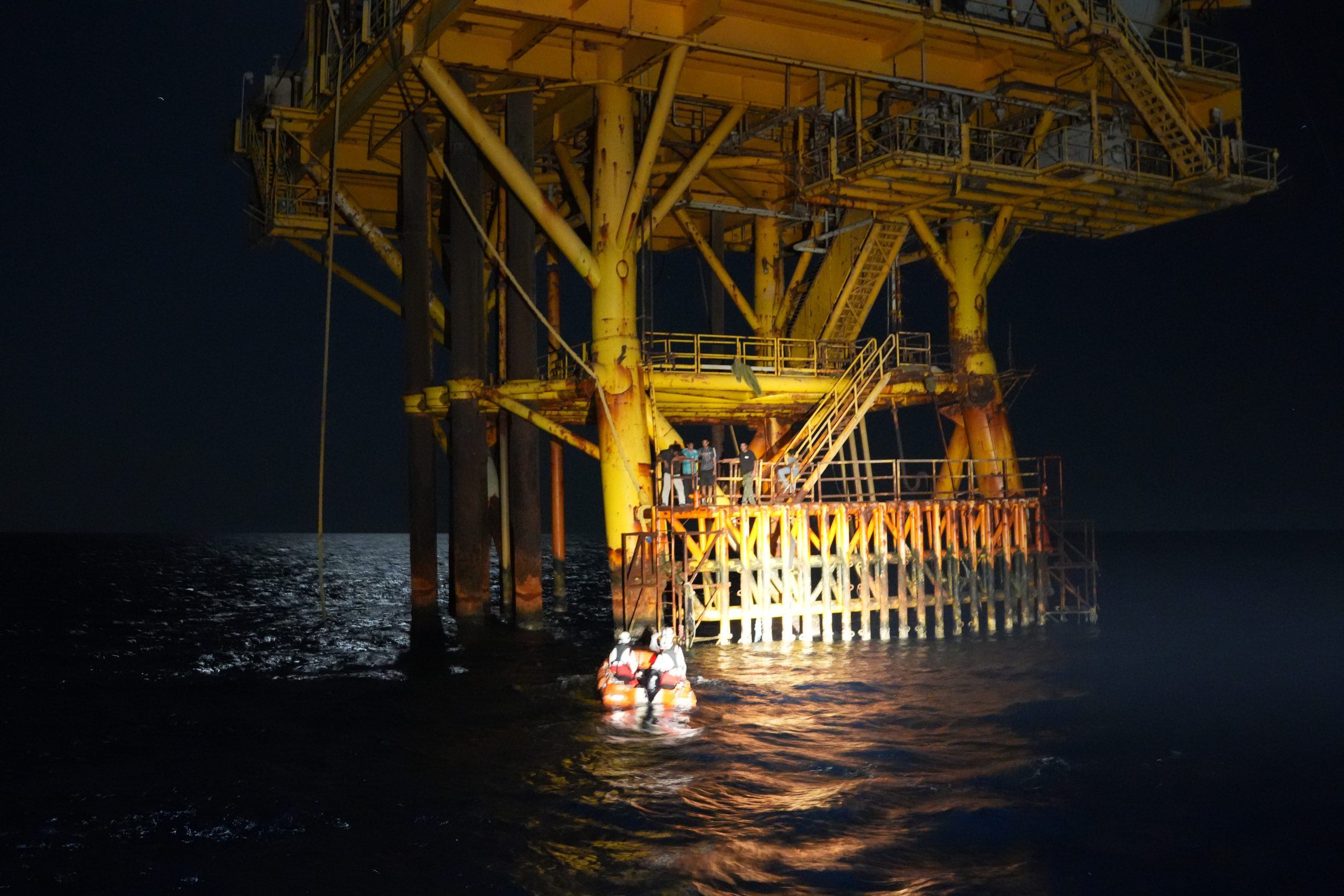
A few days later, we once again received a report from Alarm Phone, this time concerning people stranded on a platform. Our search led us to the abandoned Didon oil platform off the Tunisian coast. There, five young men from Somalia, aged between 16 and 20, were stranded. After their sea crossing had failed, they had sought refuge on the platform, which has been unused for years. During their evacuation, they reported that they had been trapped there for several days, waiting for help to arrive. To survive, they had been drinking stagnant water found on the platform. They had not eaten for days. Shortly after midnight, our crew was able to bring the five teenagers and young adults safely aboard. All were suffering from exhaustion and dehydration.
On the crossing to Lampedusa, we had the chance to hear the stories behind these people. For most of them, their journey had begun years earlier. As minors, they had left Somalia and travelled through several countries before eventually reaching Libya. There, they had lived under harsh conditions, had to work in exploitative conditions in Libyan prisons for their release, and continuously struggled to finance their onward journey. Some told us that this had been both their first and their last attempt to cross the Mediterranean, as they would not be able to endure such hardship again. In their words, they would either find freedom in Europe or death in Libya. On 3 August, they too were able to disembark safely in Lampedusa.
We wish them the best of luck for the future.
Operation Summary
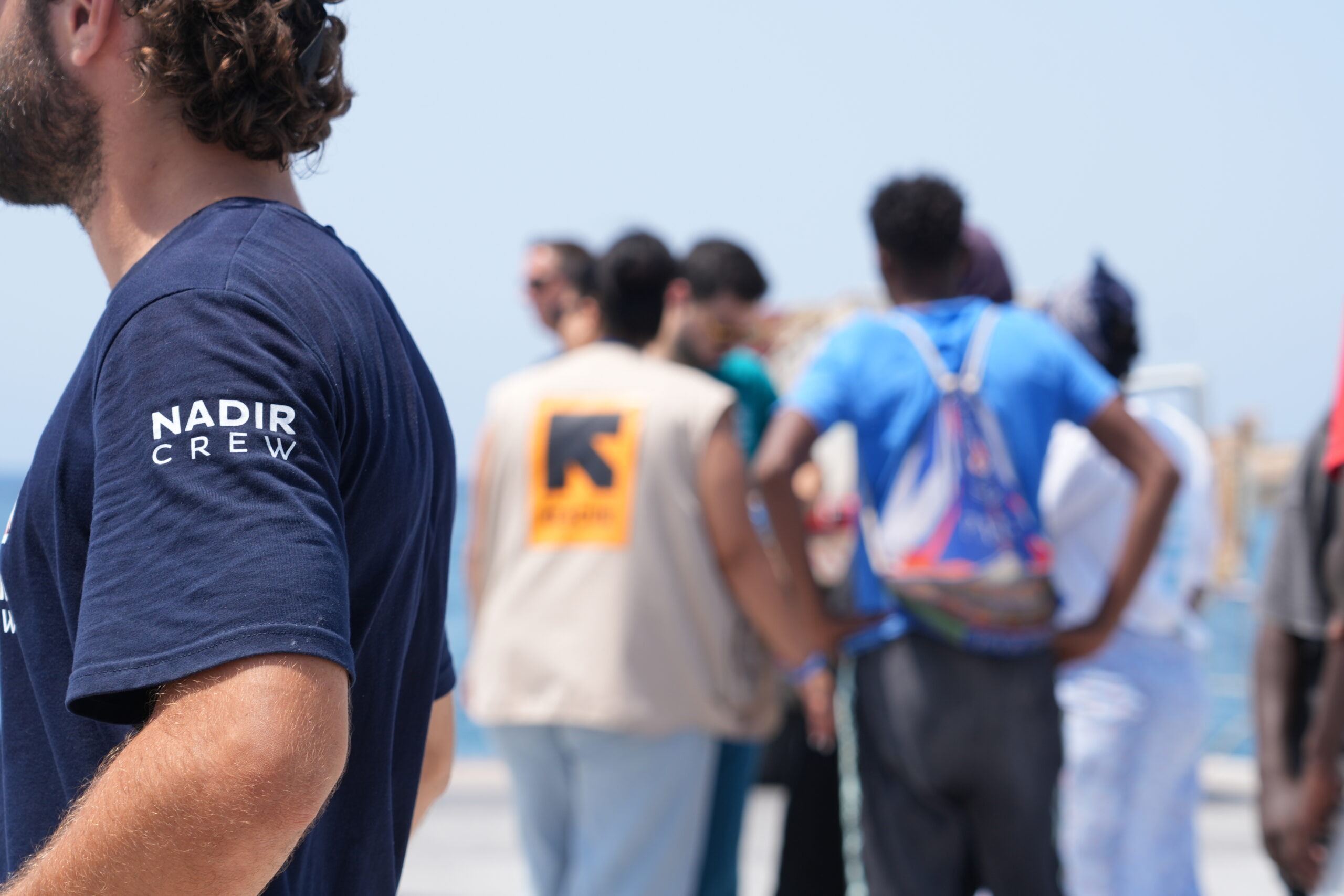
Between July and August, the sixth crew of the NADIR assisted a total of 32 people in distress at sea. Behind this number are 32 individual life stories and just as many hopes for safety and a future in peace. The encounters we had during this operation have once again reminded us how great the dangers are along the central Mediterranean migration route, and the desperation people must feel to take such risks.
For our crew, what remains above all are the memories of the people we had the privilege to meet, and the certainty of how vital civilian search and rescue operations continue to be.
Operation Report 6 – 2026 (17 July – 8 August 2026), written by Jan Salmen, Tender Driver and Media Coordinator
Photo Credits: Jan Salmen, Jelka Kretschmar | RESQSHIP