Navigating shipwrecks and interceptions by violent militias while people trying to reach Europe keep exercising their right to move.
From ›letting people die‹ to the ›power to kill‹
In the last year, the presence of the so-called Libyan Coast Guard (scLYCG) in the Central Mediterrranean has increased significantly leading to a worrying rise in the number of interceptions of people on the move attempting to cross the sea [no more official IOM Libya numbers since May, but we can at least link the last stats published: https://www.facebook.com/photo/?fbid=1280927197488322&set=a.563304855917230].
More often, the European Union (EU) does not limit itself to ›letting people die‹ at sea, as it has in recent years; instead, it continues externalising its border management to violent Libyan actors, by funding the reinforcement of their means to detain people and exercise violence on them. Ultimately, this amounts to legitimising and supporting their ›power to kill‹. Recently, we have observed a higher amount of ships in distress during severe weather conditions. This points to the fact that people are departing more frequently when sea conditions are rough and scLCG patrols are less active, so to reduce the risk of interceptions and illegal, forced returns to Libya. The obvious and dreadful result of this trend is an increase in the number of shipwrecks and boats reported missing. The Hurricane Harry in January 2026 was an appalling example: more than 10 boats and hundreds of people were reported missing in the Central Mediterranean. These deaths are not caused by ›the sea‹ as a natural force; rather, they are a direct consequence of European policies.
These interceptions are not about getting people to safety: according to international law, a “rescue” can only be defined as such when it ends by disembarking survivors in a place where their lives will no longer be put in danger, and their basic needs can be met. Multiple scholars, researchers, non-profit and international organisations agree that neither Tunisia or Libya can be considered “safe” countries. As the practice of returning people to these countries violates the principle of non-refoulement enshrined in refugee law, forced returns are by all means illegal.
The EU-Libya agreements, so-called Memoranda of Understanding, also to a deadly instrumentalisation of the lives of people on the move. Border control can also become a powerful political instrument. Libyan authorities are known to allow ship departures whenever convenient to put pressure on EU institutions, using migration flows as leverage to demand or reward financial and diplomatic support.
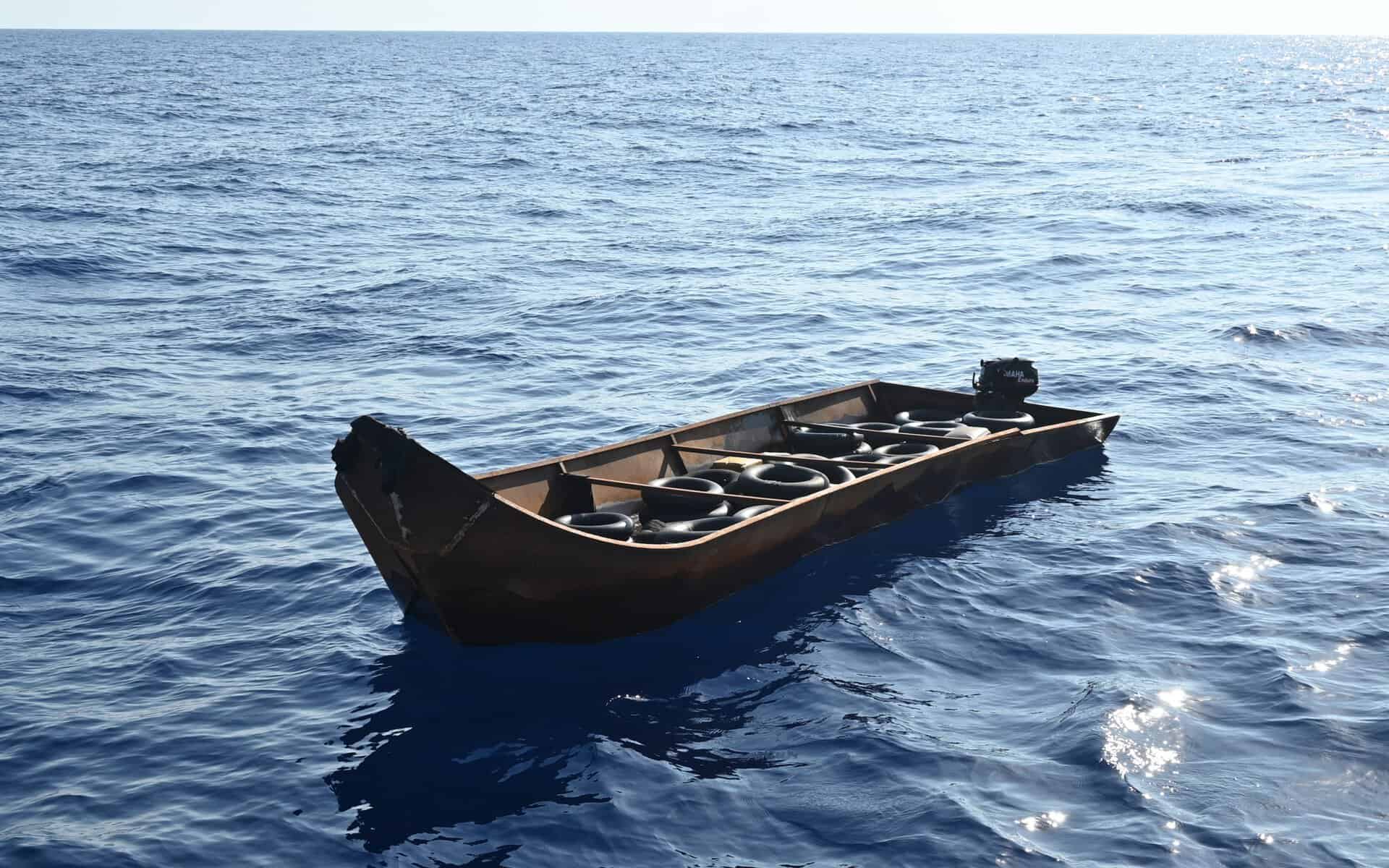
Many people report having tried to cross the Mediterranean numerous times. Despite all the efforts made by EU countries to prevent arrivals, people are not giving up on their attempts to reach a place of safety and continue to assert their right to move.
In recent months, numerous Search and Rescue (SAR) NGOs have seen themselves confronted with intimidation and threats. In some cases, civil assets have even been directly exposed to gunfire. As shooting has become increasingly frequent and normalised, civil assets are experiencing unprecedented levels of violence and threats.
This only highlights systematic policies of aggression that have been known in the sector since more than a decade. People on the move have been denouncing abuses for many years [A reference could be helpful, if sth comes to your mind directly, pls share.]. The fact that it is now manifesting itself ›closer‹ to NGOs induces dismay. This also demands clarity. Instilling fear in the members of these organisations is the main goal of this escalation aimed at emptying the sea of civilian eyes exposing the atrocities of an idealised Europe of “human rights” whilst trying to push NGOs further and further north.
Between fear and resistance
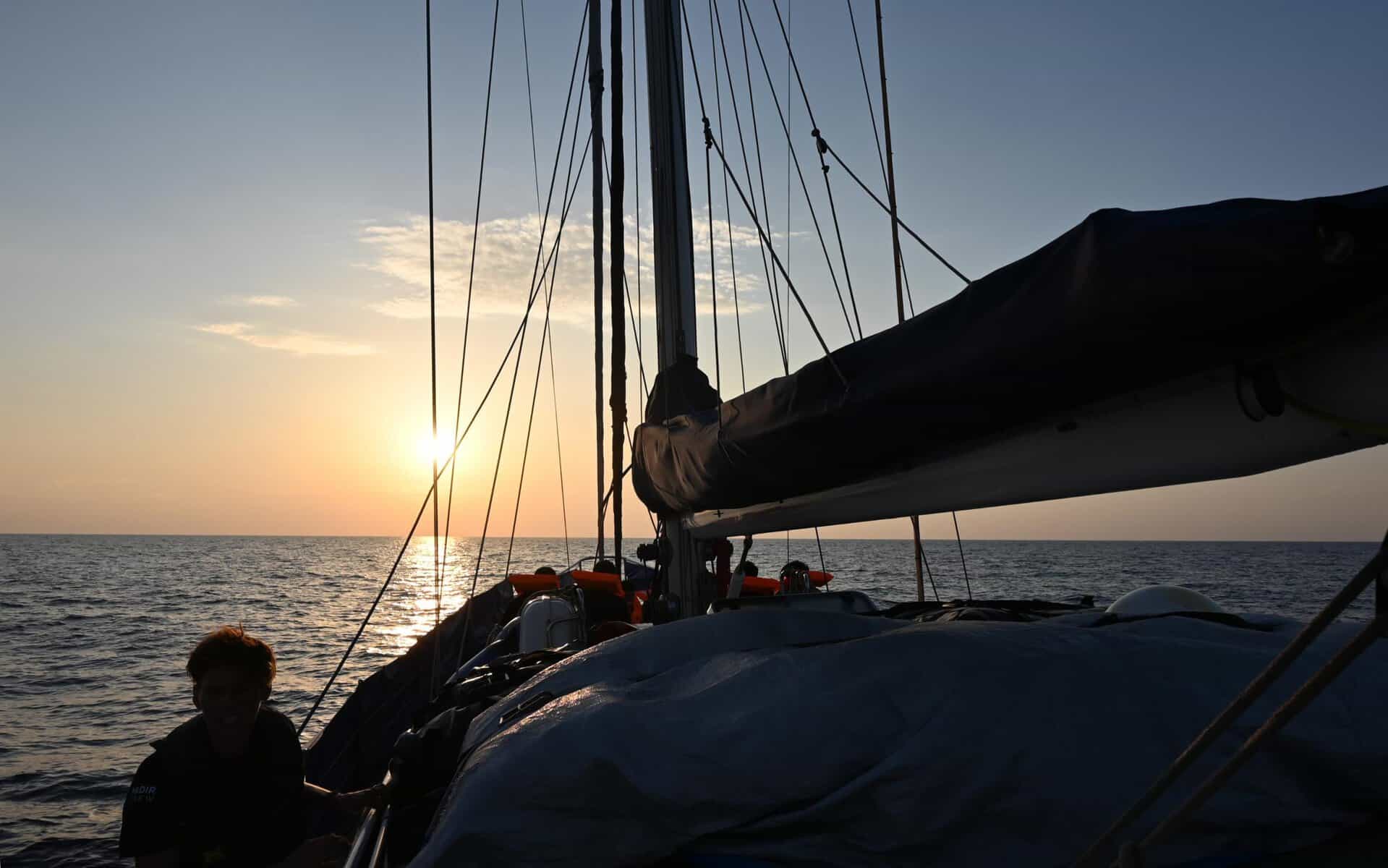
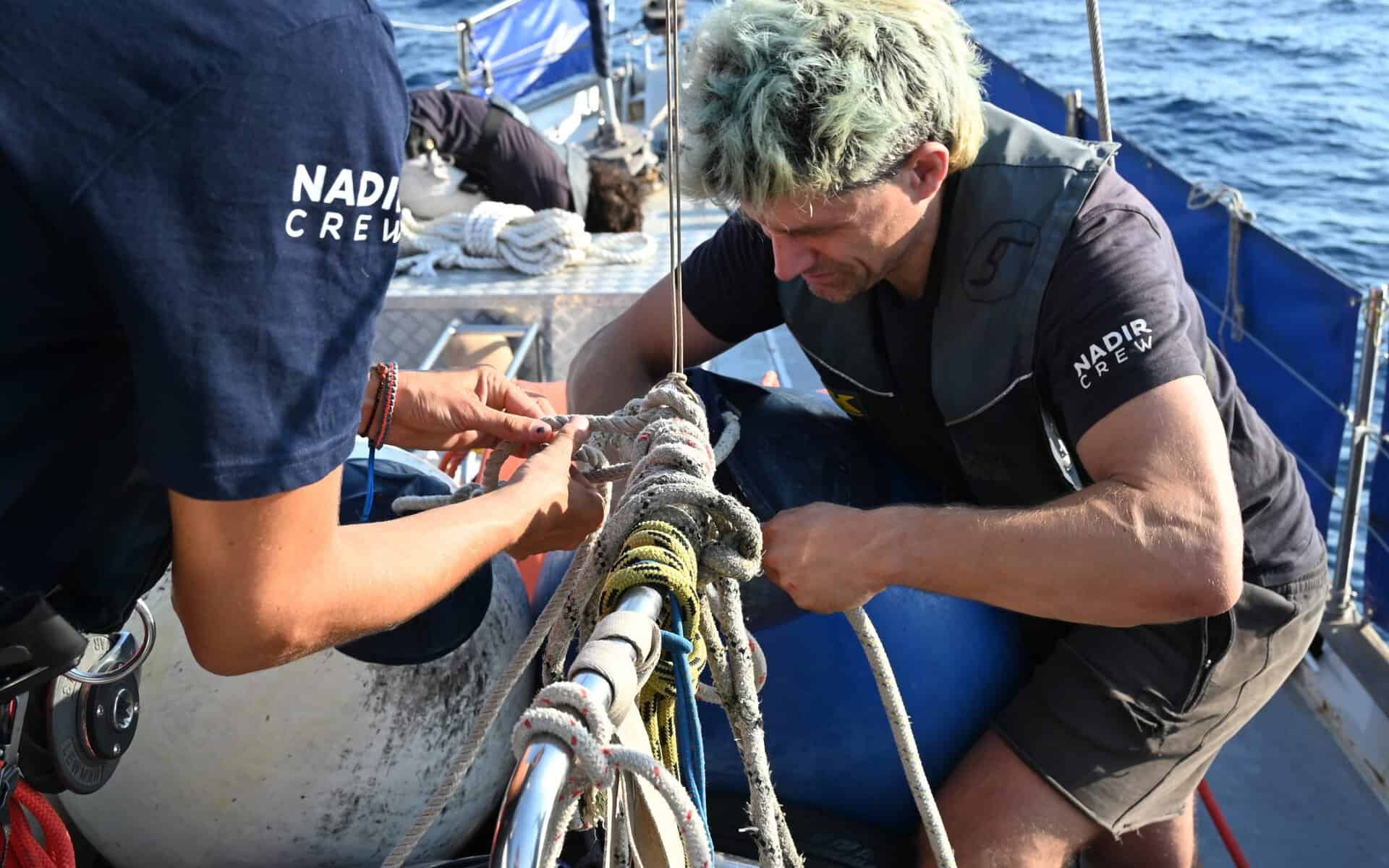
In an environment where threats and approaches with dangerous manoeuvres by unidentifiable boats calling themselves “Libyan authorities” has become the norm, the crew of operation no. 7 had to face important decisions to ensure its own safety and protection – when to push south? In which area to spend the night? Where is it safer to patrol? – all the while trying to prioritise operational needs and the ultimate objective of keeping people on the move safe.
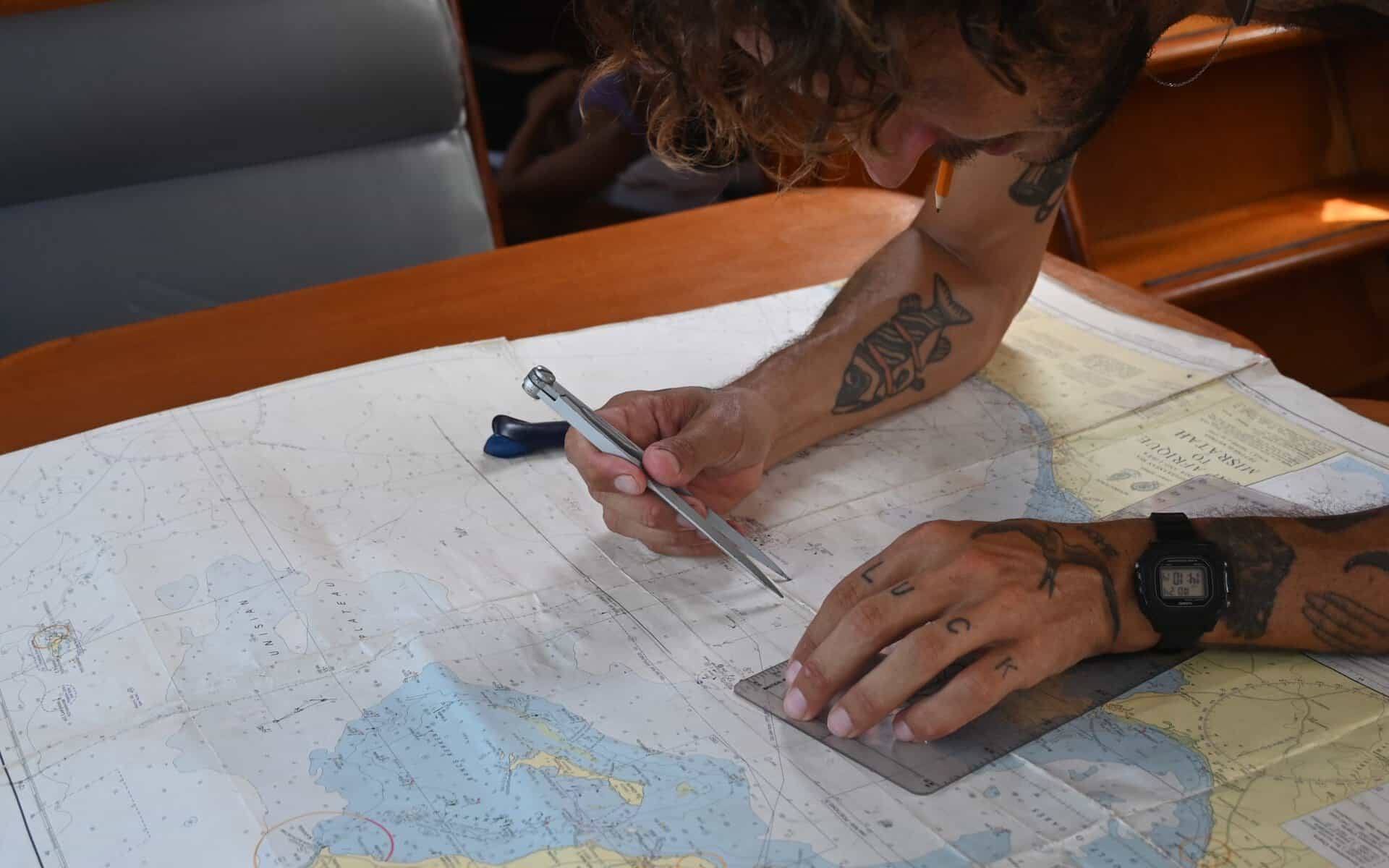
The first day of operations immediately revealed the brutality of these scenarios: over the radio, the crew overheard communications around a first interception. The offshore tug and supply vessel ONYX, under a Maltese flag, called the scLYCG via marine radio: they had sighted around 50 people on a rubber boat. Shortly after, from NADIR, we spotted a Libyan asset – a Corrubia-class vessel – with numerous survivors on board not far from the position declared by ONYX.
Meanwhile, an unidentified fast craft cut across our course and shadowed us for several hours. Although the speedboat did neither approach nor communicate with us, we were aware that it was an intimidation technique.
Abandoned twice in the Mediterranean
The day before, the civilian monitoring aircraft Albatross Uno, operated by SOS Méditerranée, had spotted 11 deceased people, and the crews of Aurora SAR2 and Sea-Watch 5 had sighted and identified some of those bodies [Yes? Did they identify themselves or did they undertake measures to support an identification?]. In the early afternoon of 15 August, while Italians were celebrating Ferragosto, the NADIR crew found three bodies of deceased people in international waters, within the Libyan SAR region. They were in an advanced state of decomposition, rendering recovery unfeasible. Nevertheless, the medical team approached the bodies with the tender to inspect and document any details possibly useful for identification.
Were those the same bodies sighted by planes the day before? Where did they come from? Who were their friends and families, what were their passions? Did they hold any religious beliefs? What peace can a body find, abandoned twice in the Central Mediterranean? Who will give certainty to their loved ones? Who will let them know that they are no longer on this earth?
The awareness that they will not be the last lives lost at sea stirred anger and frustration among the crew. These deaths are not accidents, but a consequence factored by governments. In most cases, nothing at all is known about shipwrecks and further victims.
The optimism of the will against Fortress Europe
Shortly after, during the night, we received an e–mail from Watch the Med – Alarm Phone (AP) about a boat in distress. As we prepared to sail the few hours that separated us from the last known position, we received another e-mail: “AP has been informed that they have been intercepted”. The case was located not far from Tunisia’s territorial waters, in the SAR region overlapping Tunisia and Malta. Intercepted by whom? By the scLYCG, or by the Tunisian Coast Guard?
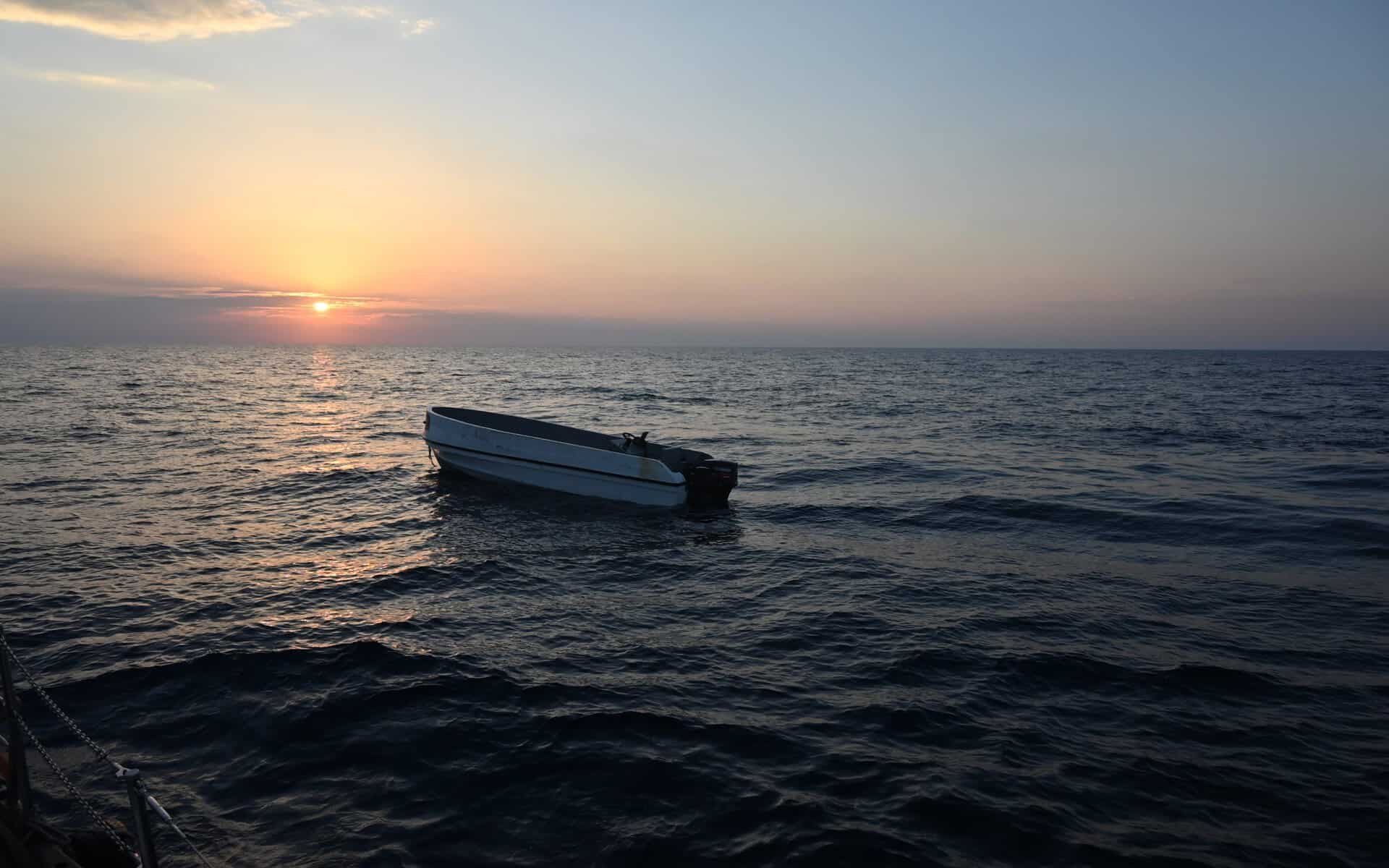
Frustration is a very common feeling among those who carry out SAR operations. NADIR continued on its course until, six hours after reaching the last position communicated by the people in distress, a small light stood out in the darkness of the night. Ten people on a fiberglass boat were being watched over from afar by a fishing boat, which moved on once we arrived.
Once everyone could safely board NADIR, we quickly headed north. Shortly after, the Italian authorities assigned us Lampedusa as the port of disembarkation.
EU eyes on the Med: to surveil, but not to rescue
In the following days, NADIR went back out to sea and carried out three more evacuations. In some cases, it was in direlessly hopeless situations; yet, the crew was able to locate a small boat in the night – maybe because a tiny light was spotted in the distance with binoculars, or maybe because an object appeared on the radar.
NADIR first sighted 36 people on a rubber boat in the Maltese SAR region, and then five more people in Tunisian contiguous waters.
People told us a drone had flown over them a few hours before we arrived. The EU pours vast resources and money into surveilling and controlling the Mediterranean – enough that people in distress are routinely spotted. Yet that capability seems to be rarely applied to bring them to safety.
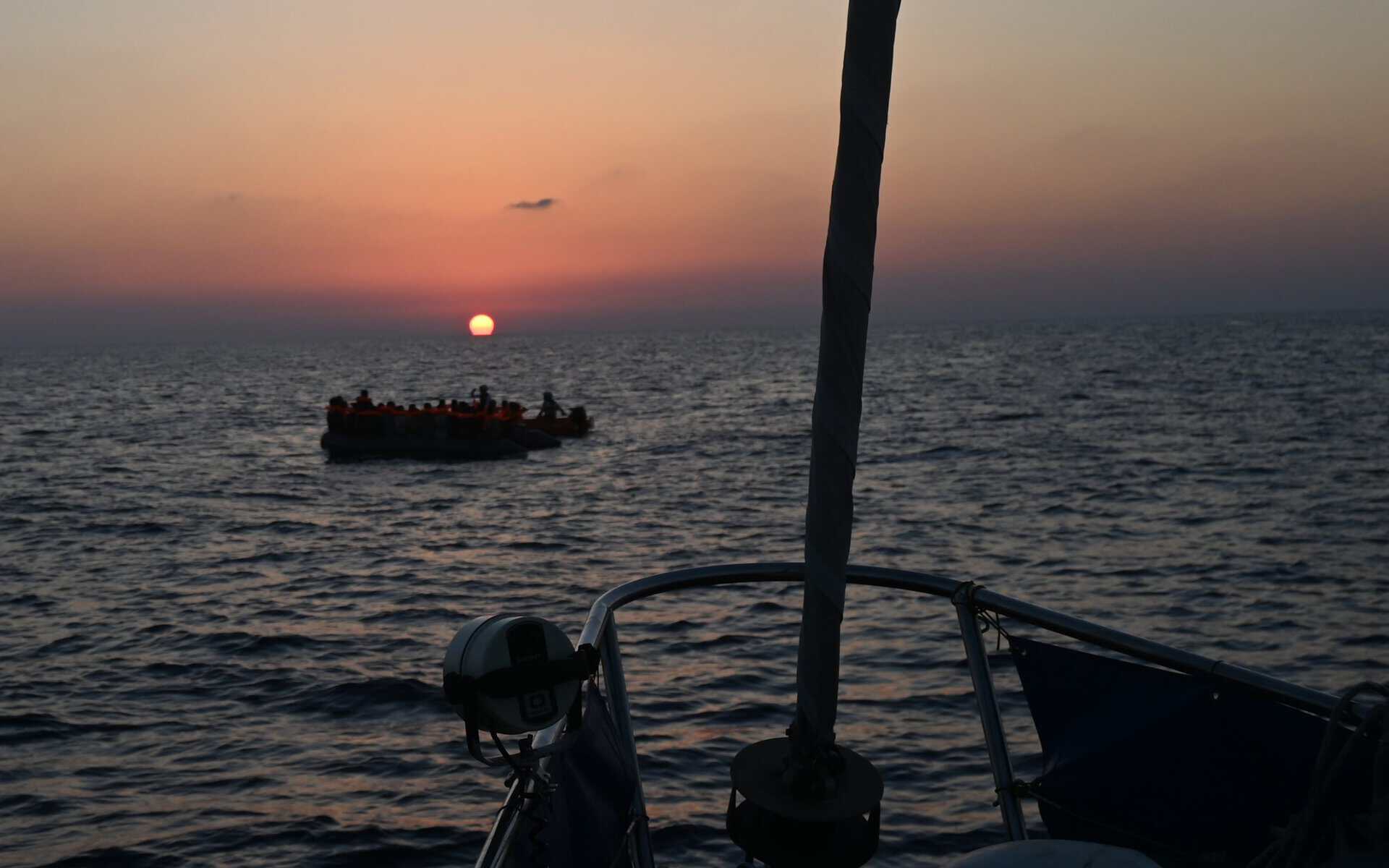
Favourable weather and good cooperation with the people on the move made the evacuations safe and fast.
How does one cross the Mediterranean in a 4-metre long rubber boat? And not just once: One person told the crew that this was their 4th attempt to escape Libya. A month ago, on their third attempt, the boat had gotten close to Malta. Through their own resilience, after days at sea, they had nearly escaped. But Malta refused to comply with its duty to assist the people on the move. Instead, they were intercepted by the scLCG who had made way north, far outside their SAR zone, to pull them back – back into detention, violence, and extortion.
Waiting for the blue bird
Back at sea again, several days followed without any sightings or alarms – from neither civilian actors nor law enforcement.
However, the silence was broken soon. Via radio we overheard the threats from the scLCG against Aurora SAR2, Sea-Watch’s fast ship. While Aurora SAR2 war heading towards a distress case, the Libyan militias intimidated the crew: “Go away or we’ll shoot you!” All the people from the two boats in distress were intercepted by the so-called Coast Guard and taken back to the place they had so urgently wanted to flee from.
Albatross Uno and AP had alerted to a case involving 40 people. Their boat was located quite far south, but its engine was still working and it was headed north. After several hours of navigation, NADIR managed to reach it. The crew distributed lifejackets to everyone and brought everybody aboard NADIR leaving a small rubber boat behind. It was just a few metres long.
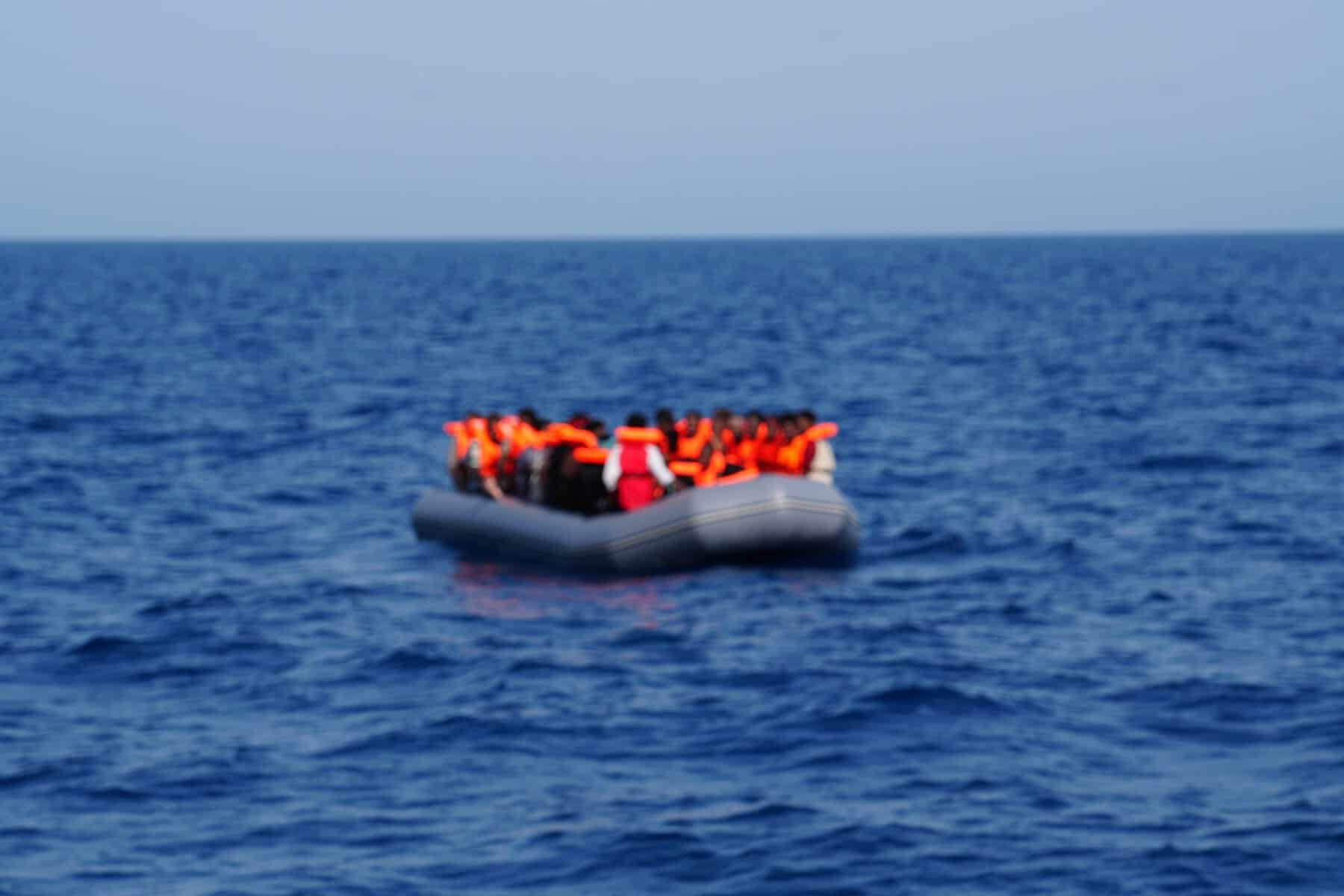
Once again, the disembarkation took place in Lampedusa, as ordered by the Italian authorities. In operation no. 7, NADIR supported 90 people, assisting them to the best of our capacities in a critical situation.
(Not) welcome to Europe(?)
One of the biggest concerns among people on the move is what might happen in Europe to the person responsible for driving the boat. These people are systematically criminalised by Italian policies entailing an immense strain on the shoulders of individuals who ensure freedom for themselves and the other passengers. The charge of “abetting illegal immigration” is clearly instrumental: In most cases, those driving the boats are migrants themselves. The EU uses this tactic to create a scapegoat for border deaths, making boat drivers appear as the “real” culprits of “illegal” immigration and subsequent deaths. In doing so, state responsibilities, EU border policies, and the racist visa regime are veiled and consigned to oblivion.
At every disembarkation in Lampedusa, we witnessed a large number of Frontex agents (sometimes even outnumbering the survivors!), who were already interrogating the newcomers right after their first few steps on European soil. This is an illegitimate action, as interrogations should not be conducted [as per international law?] before a medical check and a legal briefing are being provided. That is what Europe puts money and effort into: creating an enemy shifting responsibility for the thousands of deaths its policies are causing.
Furthermore, the new pact under the Common European Asylum System defines a framework increasingly and deeply marked by racism and violence. The fiction of non-entry accelerated border procedures, and new definitions of “safe countries of origin or transit” undermine the very institution of asylum from within.
NADIR for freedom of movement
As a crew, we are very glad to have met everyone we did encounter, to have shared a brief moment with them on their journey, and to hold tightly in our hearts the solidarity and support people showed one another.
For NADIR, to keep fighting for freedom of movement means to keep going to sea. The violence of the EU’s border policies and the threats from armed actors funded by the EU do not scare us and will definitely not stop us from sailing out again!
Operational report no. 7 (8–29 August 2026), the NADIR crew
Photo credits: RESQSHIP